

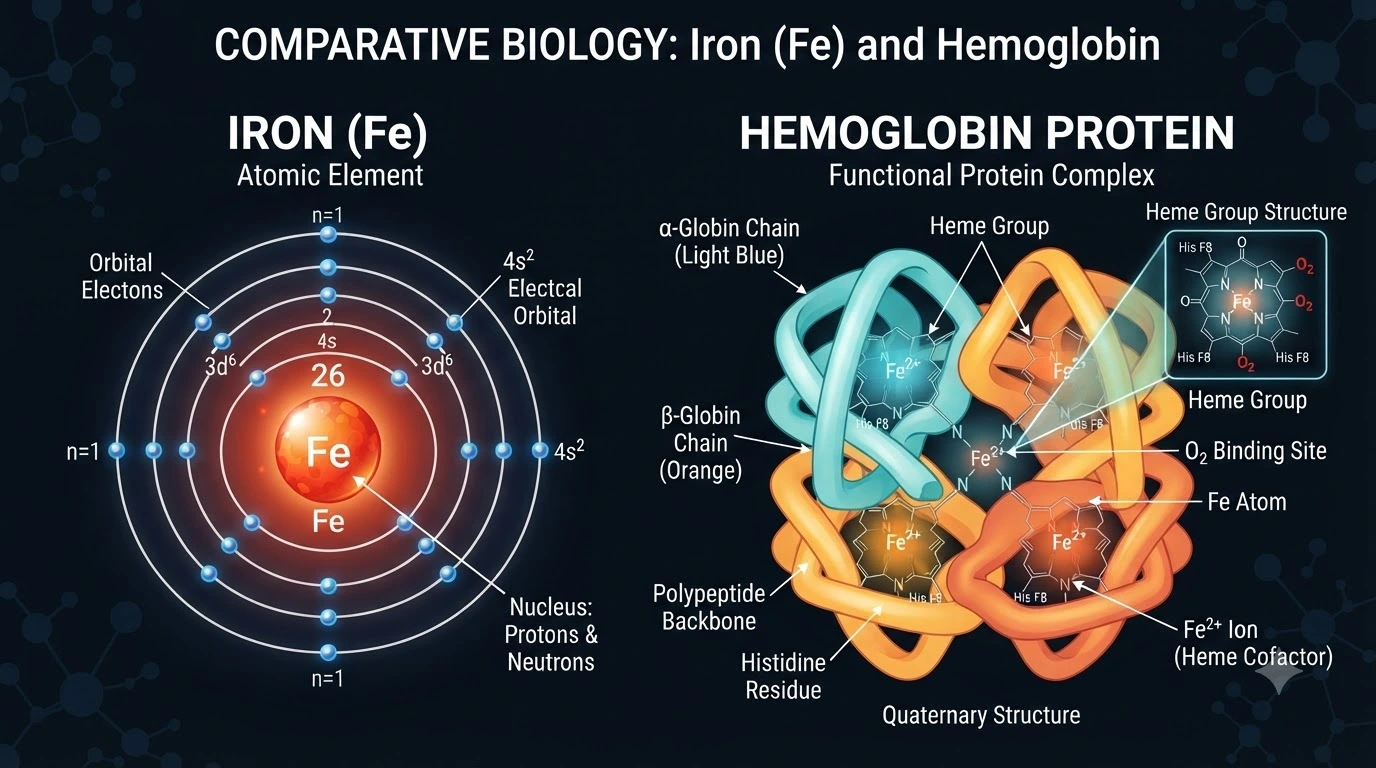
Iron and hemoglobin are two fundamental components in the human body, but they have very different functions and characteristics. Understanding these differences is crucial to understanding how our body works and how oxygen is transported. Iron is an essential mineral that our body needs for various functions, while hemoglobin is a protein found in red blood cells and is responsible for transporting oxygen. The characteristics, functions, and relationship between these two will be explored in detail below.
What is iron?
Iron is a naturally occurring mineral and one of the most abundant elements on Earth. This mineral is vital for many biological functions in the human body. It occurs in two main forms: heme iron and non-heme iron. Heme iron is found primarily in animal products, such as meat, while non-heme iron is found in plant sources such as legumes, leafy green vegetables, and cereals. The absorption of heme iron is generally more efficient than that of non-heme iron .
Iron has several essential functions in the body. One of the most important is its role in the formation of hemoglobin, the protein that carries oxygen in the blood. Without enough iron, the body cannot produce enough hemoglobin, which can lead to a condition known as anemia. In addition, iron is also important for collagen production, immune system function, and electron transport in cells. Iron deficiency can cause fatigue, weakness, and a weakened immune system.
What is hemoglobin?
Hemoglobin is a complex protein found in red blood cells. Its main function is to transport oxygen from the lungs to all the cells in the body and carry carbon dioxide back to the lungs to be exhaled. Hemoglobin is composed of four amino acid chains and contains iron in its structure, which allows it to bind oxygen efficiently. This binding is essential for supplying oxygen to the body’s tissues, which is necessary for energy production and cellular function.
Hemoglobin not only transports oxygen but also plays a role in regulating blood pH. By accepting and releasing carbon dioxide, it helps maintain the body’s acid-base balance. There are different types of hemoglobin, such as hemoglobin A (HbA), which is the most common form in adults, and fetal hemoglobin (HbF), which is found in fetuses and newborns. The production and regulation of hemoglobin is a critical process for overall health.
Key differences between iron and hemoglobin
One of the most notable differences between iron and hemoglobin is their chemical nature and function in the body. Iron is a chemical element, while hemoglobin is a protein composed of several elements, including iron. While iron is essential for the formation of hemoglobin, the two cannot be considered the same. Iron is a component of hemoglobin, but hemoglobin has broader functions than simply containing iron.
Another important difference is how the body handles and uses these two components. Iron can be stored in the liver, spleen, and bone marrow as ferritin, an iron-storing protein. Hemoglobin, on the other hand, is found in red blood cells and is produced in the bone marrow. Once red blood cells die, hemoglobin breaks down, releasing iron that can then be reused or stored again. This difference in handling and storage is crucial for maintaining adequate levels of both iron and hemoglobin in the body.
Sources of iron and hemoglobin
Iron sources are varied and can be classified into two main categories: animal and plant-based. Animal sources, such as red meat, chicken, fish, and eggs, contain heme iron, which is more easily absorbed by the body. On the other hand, plant-based sources include legumes, nuts, seeds, spinach, and cereals. It is important to combine these sources with foods rich in vitamin C, such as oranges and strawberries, to improve the absorption of non-heme iron.
As for hemoglobin, the body produces it from amino acids and iron obtained from the diet. Hemoglobin cannot be consumed directly, as this protein is produced internally. However, ensuring a diet rich in iron and protein is essential for maintaining healthy hemoglobin levels. Additionally, certain foods, such as those rich in folic acid and vitamin B12, are also important for hemoglobin production.
Relationship between iron and hemoglobin
The relationship between iron and hemoglobin is crucial for oxygen transport in the body. Without enough iron, the body cannot produce adequate hemoglobin, which can lead to iron-deficiency anemia . This condition is characterized by a decrease in the number of red blood cells and a reduction in the body’s ability to carry oxygen, which can cause fatigue, weakness, and other symptoms. Therefore, it is essential to ensure sufficient iron intake in your diet to maintain healthy hemoglobin levels.
Furthermore, iron is not only important for hemoglobin but also influences overall health. Adequate iron levels contribute to a strong immune system and good cardiovascular health. People with iron deficiency often experience problems with concentration and physical performance, as oxygen is vital for energy production. Therefore, maintaining a proper balance between iron and hemoglobin is crucial for optimal bodily function.
Consequences of iron and hemoglobin deficiency
Iron deficiency can have serious health consequences. One of the most common effects is anemia , which manifests through symptoms such as extreme fatigue, weakness, paleness, and dizziness. Iron deficiency anemia can affect people of all ages, but it is especially common in pregnant women and growing children, who have higher iron requirements. A lack of iron can also weaken the immune system, making the body more susceptible to infections and illnesses.
On the other hand, a hemoglobin deficiency is also linked to anemia, since hemoglobin is the protein responsible for transporting oxygen. When hemoglobin levels are low, the body’s tissues don’t receive enough oxygen, which can lead to a decreased ability to perform daily activities. People with low hemoglobin levels may experience shortness of breath, especially during exercise, and a decrease in their stamina.
Diagnosis and treatment of iron and hemoglobin deficiency
The diagnosis of iron and hemoglobin deficiency is usually made through blood tests. A complete blood count (CBC) can show hemoglobin levels as well as the red blood cell count. If the results indicate anemia, further tests can be performed to determine if it is caused by an iron deficiency. These tests may include measuring ferritin, which indicates the body’s iron stores, and total iron-binding capacity (TIBC), which measures the serum’s ability to transport iron.
Treatment for iron deficiency generally includes dietary changes and, in some cases, iron supplementation. Consuming foods rich in iron and vitamin C is recommended to improve absorption. In more severe cases, blood transfusions or intravenous iron treatments may be necessary. On the other hand, if the hemoglobin deficiency is due to other causes, such as vitamin deficiencies or chronic diseases, treatment will focus on addressing those underlying conditions.
Prevention of iron and hemoglobin deficiency
Preventing iron and hemoglobin deficiency is essential for maintaining good health. A balanced diet that includes adequate sources of iron, such as meat, legumes, and vegetables, is fundamental. It is also important to be aware of iron requirements at different stages of life, such as during pregnancy, childhood, and adolescence. Women of childbearing age should pay particular attention to their iron intake, as menstruation can increase the risk of deficiency.
In addition, regular medical checkups are recommended to monitor hemoglobin and iron levels, especially if deficiency symptoms are present. Nutrition and health education is key to helping people make informed dietary choices. Including foods rich in vitamin C along with iron sources can improve absorption and help prevent future deficiencies.
Conclusions on iron and hemoglobin
Iron and hemoglobin are two critical components that play essential roles in the human body. While iron is a mineral necessary for the production of hemoglobin, hemoglobin is the protein that carries oxygen in the blood. Maintaining a proper balance of both is vital for good health and optimal bodily function. Nutrition education and the prevention of deficiencies are important steps to ensure that people can lead healthy and active lives.
