

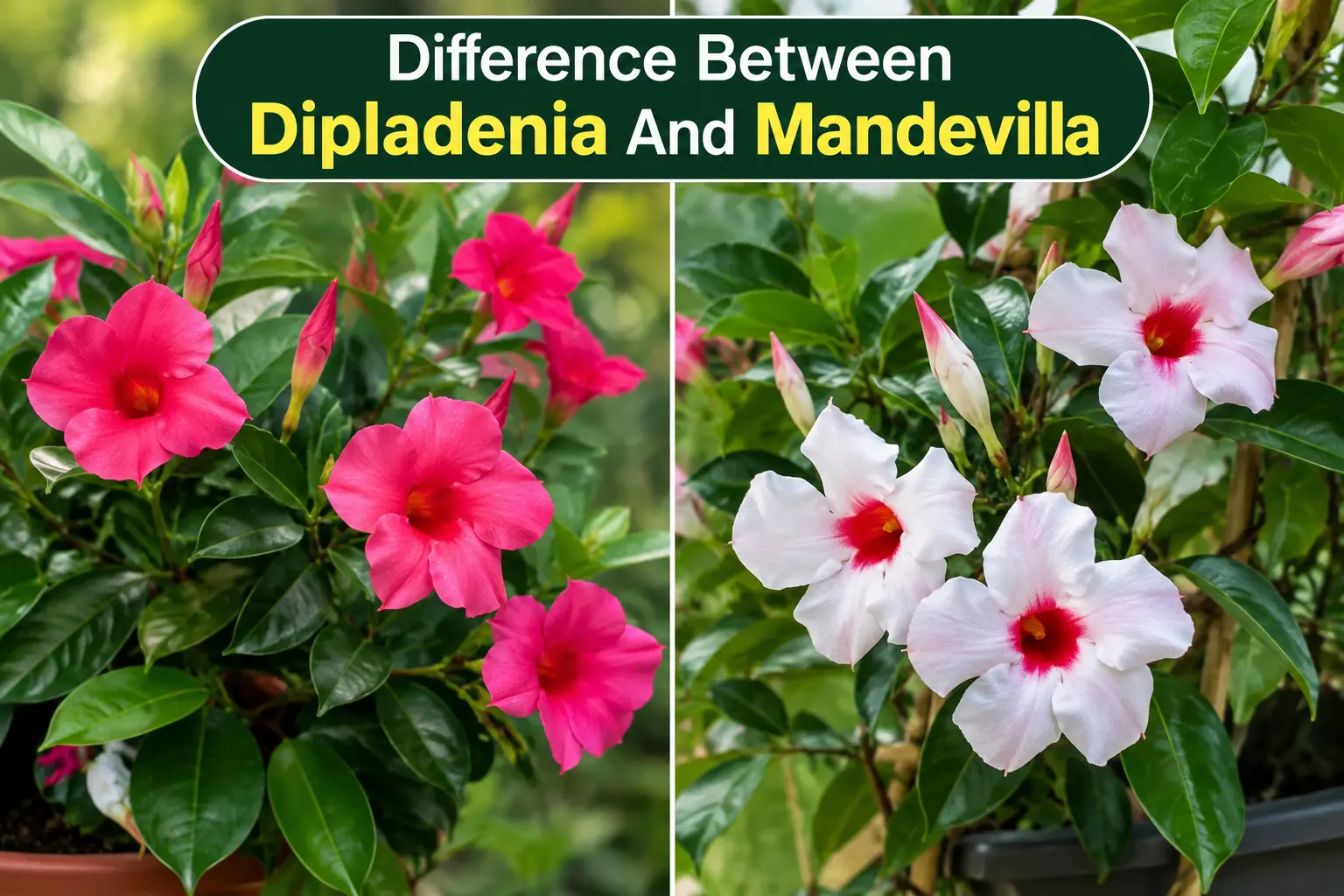
Dipladenia and mandevilla are plants that are often confused due to their visual similarities and their shared botanical genus. However, there are notable differences between them. Dipladenia is classified as Mandevilla sanderi, while mandevilla encompasses several species within the same genus. This confusion can be more pronounced in some regions where both plants are cultivated similarly. Therefore, it is essential to understand their specific characteristics to properly distinguish between them.
One of the most obvious differences between these two plants is their size and shape. Dipladenia tends to be a more compact plant, generally growing in a shrub-like form, while mandevilla can be more of a climber, with stems that reach upwards in search of support. This difference in growth affects not only the plants’ appearance but also their use in gardening and landscaping. Dipladenia is ideal for pots and planters, while mandevilla is preferred for pergolas and trellises.
Physical Characteristics
The physical characteristics of dipladenia and mandevilla are another aspect that distinguishes them. Dipladenia flowers are generally larger and funnel-shaped, opening to a considerable diameter. On the other hand, mandevilla flowers are smaller and tend to be more varied in color, encompassing shades of pink, red, and white. This color variability makes mandevilla a popular choice for those seeking diversity in their gardens.
The foliage also differs. Dipladenia leaves are broader and a deep green, while mandevilla leaves are longer and can be a lighter green. This difference in leaf color and shape is not only aesthetic but can also influence the amount of sunlight each plant absorbs, affecting its growth and flowering. Therefore, when choosing between these two plants, it’s important to consider not only flowering but also the overall appearance of the leaves.
Growing Conditions
Both plants require specific growing conditions, but they have some key differences. Dipladenia prefers a warmer, more humid environment, making it ideal for tropical and subtropical climates. It needs direct sunlight for several hours a day to bloom properly. On the other hand, mandevilla is a bit more resistant to climate variations and can adapt to less ideal conditions, although it also benefits from direct sunlight.
In terms of watering, dipladenia needs well-draining soil that doesn’t retain too much moisture, as it can be susceptible to fungal diseases if overwatered. In contrast, mandevilla tolerates slightly more moisture in the soil, although it also requires good drainage. It’s important to remember that excess water can be harmful to both plants, so it’s advisable to water them moderately and check the soil condition before adding more water.
Pests and Diseases
Dipladenia and mandevilla can be affected by various pests and diseases, although some are more susceptible than others. Dipladenia is known to be vulnerable to aphids and mites, which can weaken the plant and affect its ability to flower. To control these pests, it is advisable to use natural insecticides or insecticidal soaps, which are less harmful to the environment.
Mandevilla , on the other hand, can be affected by fungal diseases, especially in humid conditions. Fungal diseases can cause leaf spots and affect the plant’s overall growth. Maintaining good air circulation around the mandevilla and avoiding overwatering are essential to prevent these problems. Additionally, mandevilla can also be susceptible to mealybugs, which attach to the stems and leaves, weakening the plant. It’s important to watch for any signs of infestation and act quickly.
Uses in Gardening
In the realm of gardening, both dipladenia and mandevilla have their own uses and advantages. Dipladenia is ideal for creating garden borders, as its shrubby form allows it to be used as a background plant or in decorative pots. Its abundant blooms make it an attractive option for those who wish to add color to their outdoor space. Furthermore, its compact size facilitates its maintenance and care, making it an excellent choice for novice gardeners.
On the other hand, mandevilla is perfect for creating vertical areas in the garden. Its climbing nature makes it ideal for covering pergolas, walls, and trellises, providing a stunning visual effect. Its vibrant and varied flowers add a touch of joy and color, making it a favorite among gardeners looking to add an element of surprise and beauty to their outdoor spaces. Furthermore, it can be grown in hanging baskets, allowing it to look spectacular from different angles.
Reproduction and Propagation
Dipladenia and mandevilla can be propagated in several ways, although the most common method is through cuttings. By taking cuttings from healthy stems and placing them in a suitable growing medium, new plants can be obtained. For dipladenia , it is recommended to use cuttings about 10 to 15 centimeters long, ensuring they have at least a couple of leaves. These cuttings should be planted in a light substrate and kept consistently moist to encourage rooting.
In the case of mandevilla , the process is similar, although sowing seeds can also be used. However, propagation by cuttings is faster and more effective. It is important to cut the cuttings just below a node and remove the lower leaves to prevent them from rotting in contact with the substrate. As with dipladenia , a warm, humid environment should be maintained to encourage rooting and initial plant growth.
Care and Maintenance
Proper care and maintenance of dipladenia and mandevilla are crucial to ensuring their healthy growth and flowering. Both plants require adequate fertilization to thrive. It is recommended to use a balanced fertilizer every four to six weeks during the growing season, which generally spans spring and summer. This will help provide the necessary nutrients for abundant blooms and vigorous growth.
In addition, it’s important to prune the plants regularly. Dipladenia benefits from light pruning to maintain its compact shape and encourage denser growth. On the other hand, mandevilla may require more drastic pruning to control its size and promote the production of new flowers. Removing dead or damaged branches improves air circulation and reduces the risk of disease.
Climatic Factors and Adaptability
Climatic factors play a crucial role in the growth of dipladenia and mandevilla . Both plants are native to tropical and subtropical regions, meaning they thrive in warm climates. However, dipladenia is more sensitive to low temperatures and can suffer damage if exposed to frost. For this reason, it is advisable to grow it indoors or in greenhouses in regions with cold winters.
In contrast, the mandevilla exhibits greater tolerance to climatic variations and can adapt better to different conditions. This makes it a more versatile option for gardens in diverse areas. However, both plants should be protected from strong winds and extreme conditions, as these can negatively impact their growth and overall health. Choosing a suitable location for cultivation is essential to ensure their long-term success.
Varieties and Cultivars
There are several varieties and cultivars of dipladenia and mandevilla that offer different characteristics and colors. Dipladenia commonly comes in shades of pink and white, while mandevilla can be found in a wide range of colors, including red, yellow, and purple. This diversity allows gardeners to choose those that best suit their aesthetic preferences and landscape design needs.
Some of the most popular mandevilla varieties include Mandevilla boliviensis, known for its white flowers and fragrance, and Mandevilla sanderi , which is one of the most widely cultivated due to its abundant flowering and hardiness. As for dipladenia , Dipladenia sanderi is one of the best known and most appreciated for its ability to bloom throughout the growing season. The choice of a specific variety can influence the plant’s appearance and performance in the garden.
Conclusions on the Difference between Dipladenia and Mandevilla
In summary, although dipladenia and mandevilla belong to the same genus and share certain characteristics, they also have significant differences that are important to consider. From their physical characteristics to their cultivation and care requirements, each plant has its own unique features. By understanding these differences, gardeners can make more informed decisions about which of these beautiful plants is the best choice for their garden or outdoor space.
