

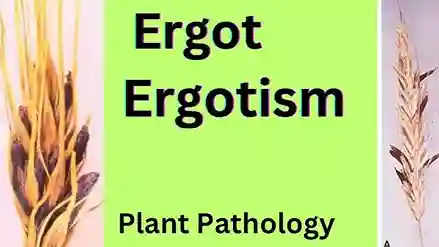
Ergotism
Ergotism or ergotism is known as ergotoxicosis, ergot poisoning, or Saint Anthony’s Fire. It is a long-term poisoning effect experienced by humans or animals after consuming food mixed with alkaloids from the fungus Claviceps purpurea.
Symptoms of Ergotism
Symptoms begin within an hour of ergot poisoning. Signs can last for about a week and worsen when the sufferer eats grain containing the fungus.
The symptoms are classified into 3 categories:
-
Neurological symptoms
This includes:
- Dizzy .
- Headache.
- Seizures.
- Psychosis.
- Coma.
-
Gastrointestinal symptoms
This includes:
- Nauseous.
- Vomit.
- Stomach ache.
- Cramps.
- Diarrhea.
-
Symptoms in blood vessels
Symptoms of vascular disorders occur when ergot alkaloids constrict blood vessels. The medical term for this condition is vasospasm and occurs in large arteries, such as those in the kidneys, neck, retina, and heart. As many as 60 to 70 percent of disorders affect the legs and feet.
Because vasospasm restricts blood and oxygen supply to the affected body part, this condition causes:
- A cold sensation appears.
- The skin turns pale.
- Muscle pain during activity and rest.
If the tissue does not get enough oxygen, it causes gangrene or tissue death. On rare occasions, people can also develop thrombosis, which is a blockage of a blood vessel from a blood clot.
Causes of Ergotism
Ergot poisoning occurs when humans or animals consume the fungus Claviceps purpurea and its byproducts. This fungus grows on grains, such as rye and wheat, and produces toxic alkaloids.
As the fungus Claviceps purpurea grows, it turns the grain on the plant into a dark, hard-textured ergot. This ergot camouflages itself as grain during the harvest season.
Trigger Factors for Ergotism
Some factors that trigger ergot poisoning include:
- The lean season.
- Storing crops in a damp place can trigger mold growth.
Diagnosis of Ergotism
The diagnostic procedure is carried out through:
- Physical examination. The goal is to find out physical symptoms in the body. The results are used to plan further treatment.
- X-ray. The procedure is done using electromagnetic radiation waves to take pictures of body parts. Then displayed on a monitor screen.
- Angiography. The procedure is performed using X-rays to see the condition of the arteries and veins.
- Blood test. The procedure is done using a small needle into a vein in a certain part of the body.
Ergotism Treatment
If the angiography shows narrowing of the arteries, this indicates ergot poisoning. Treatment procedures include stopping the use of drugs, caffeine, and tobacco.
If the case is mild, symptoms usually resolve within 10 days. However, symptoms can take up to several months for severe cases.
Another treatment is antiplatelet therapy. This procedure can prevent and reduce the risk of blood clots.
Meanwhile, if symptoms develop into severe pain including when resting, treatment is done with surgery. The goal is to remove dead body tissue (gangrene).
Complications of Ergotism
Ergot poisoning causes narrowing of blood vessels and affects the nervous system, digestive system, and cardiovascular system. If left untreated, the disorder can cause tissue death. Other complications include blockage of blood vessels from blood clots.
Prevention of Ergotism
Preventive measures are taken by avoiding triggers. So, it is best to avoid foods made from grains, such as rye and wheat.
