

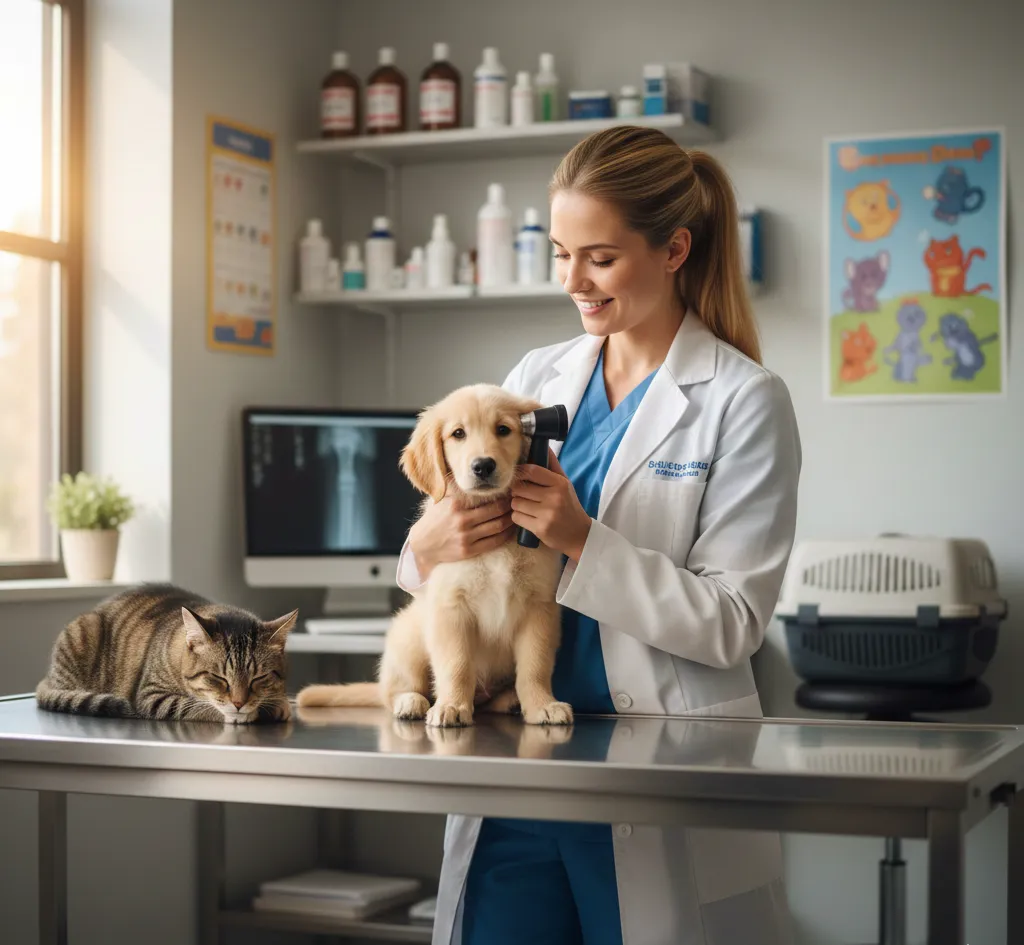
Veterinarian Meaning
A veterinarian is a medical professional whose primary responsibility is to protect the health and welfare of animals and humans.
A veterinarian is known to have several duties, including diagnosing and managing symptoms of animal diseases, caring for sick and injured animals, and preventing the transmission of zoonotic animal diseases to humans.
In addition, veterinary medicine is also known to play a role in providing advice to owners about the proper care of pets and livestock.
They ensure a safe food supply by maintaining the health of food animals.
A veterinarian may also be involved in the preservation and conservation of wildlife and the public health of human populations.
Diseases Treated by Veterinarians
Doctors support and optimize the animal’s body’s ability to heal itself.
This is done by controlling the symptoms of health problems experienced by pets.
For example, if a dog has a bacterial infection, the veterinarian will prescribe antibiotics to fight the infection.
Antibiotics work to inhibit bacterial growth, so that the dog’s immune system can fight infections more optimally.
Medical Procedures That Can Be Performed by a Veterinarian
Each veterinarian’s responsibilities can vary. Just like human medicine, veterinarians are divided into their own specialties.
Examples include internists, surgeons, dermatologists, and veterinary emergencies.
However, veterinarians are known to have general authority to perform several medical procedures, such as:
- Diagnosing the condition of sick animals.
- Giving vaccines to animals.
- Prescribing medication to animals experiencing health problems.
- Perform surgery, if necessary as a form of treatment.
- Complete diagnostic tests.
- Educating pet owners on several important matters, such as feeding, animal care, and cage construction.
Veterinarians can provide valuable information to pet owners to maintain their animals’ health.
Listening to your veterinarian’s nutritional recommendations is one of the best ways to combat common pet problems, such as osteoarthritis, skin allergies, and obesity.
When Should You Visit a Vet?
A person needs to visit a veterinarian if their pet shows signs of health problems.
For example, if you have a pet cat, there are several symptoms that can be seen as an indication to immediately take the animal to the doctor.
One of the symptoms of health problems in cats is respiratory problems.
Because, if this pet has difficulty breathing, this condition could be a sign of a problem with the heart or lungs that causes low oxygen levels.
Preparation Before and After Visiting the Vet
The veterinarian will need some basic information about the animal you are keeping.
Especially if you’re bringing it for the first time, make a note of:
- Names and dosages of all pet medications (if any medications have been prescribed).
- The type of food that pets consume.
- Pets’ eating and drinking habits.
- Pets’ toilet habits.
- Recent travel or indication of a recent tick bite.
- Past medical records, including vaccine history.
The veterinarian may also require a stool sample.
However, if you have birds or small animals like hamsters, you may not need to bring them.
Because, small animals will usually defecate on the way to the vet.
Please be aware that visits to the veterinarian can be stressful for pets.
Therefore, bring some of your pet’s favorite toys and a blanket.
Also, ask your vet if your pet can eat before your visit. Some health tests require the animal to fast beforehand.
However, make sure to ensure that your pet’s water intake is sufficient, so that they are not at risk of dehydration.
If the doctor allows your pet to eat before the visit, try to bring your pet’s favorite food.
During the visit, the veterinarian will make a diagnosis through a physical examination, followed by supporting examinations if necessary.
If the animal’s condition can still be treated with medication, the doctor will prescribe the necessary medication.
However, if the animal’s condition is deemed to require immediate treatment, the doctor will take the necessary action.
