

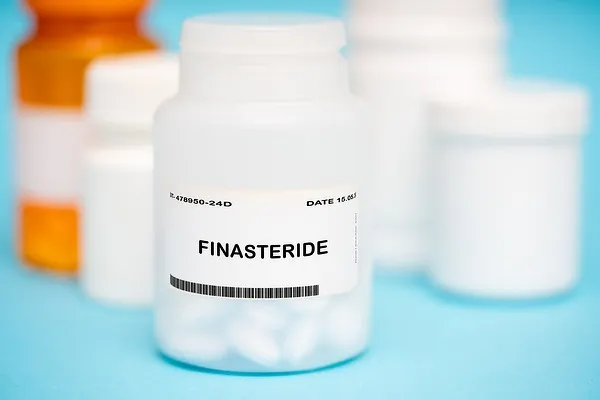
Finasteride Description
Finasteride is a medication used to treat prostate enlargement in adult men. Doctors can also prescribe this medication in combination with other medications to reduce symptoms of prostate enlargement and potentially reduce the need for surgery.
Benefits of Finasteride
Finasteride can be beneficial in reducing symptoms of prostate enlargement in men, such as reducing the urge to urinate, increasing urine flow, reducing the feeling that the bladder is not completely empty, and reducing the frequency of nighttime urination.
This medication works by reducing the amount of the body’s natural hormone (DHT), which causes prostate growth. In addition to treating symptoms of an enlarged prostate, this medication can also be used to treat androgen-induced baldness.
Finasteride Side Effects
A common side effect of this medication is decreased sexual ability or desire. In some men, it can reduce the amount of semen released during intercourse. This is not dangerous, but it persists in some men, even after stopping treatment.
This medication may also increase hair growth. If any of these effects persist or worsen, tell your doctor or pharmacist promptly.
Also, tell your doctor if any of these unlikely but serious side effects occur, such as breast lumps, nipple discharge, breast enlargement or tenderness, or testicular pain.
A very serious allergic reaction to this drug is unlikely, but seek immediate medical attention if it occurs. Symptoms of a serious allergic reaction may include:
- Rash.
- Itching or swelling (especially of the face, tongue, or throat).
- Severe headache.
- Difficulty breathing.
Finasteride Dosage
Finasteride dosages can vary from person to person, depending on the disorder and its severity. Here are the general dosage guidelines:
- To treat benign prostatic enlargement: The dose given to treat prostate disorders or benign prostatic hyperplasia is 5 mg per day with a minimum treatment period of 6 months.
- To treat baldness caused by androgen hormones: The dose given to treat this hormone-related disorder is around 1 mg per day with a minimum treatment duration of 3 months.
In some conditions, doctors may also prescribe Finasteride along with alpha-blockers to make the disorder easier to treat.
How to Use Finasteride
Take Finasteride according to the dosage and instructions given by your doctor. This medication can be taken with or without food, usually once daily, or as directed by your doctor.
Swallow the medication whole; do not crush or split it, as this may interfere with its effectiveness. Use this medication regularly to get the most benefit.
Do not stop taking this medication without consulting your doctor. It may take 6-12 months to see any benefit. Tell your doctor if your condition persists or worsens.
Cautions Using Finasteride
Finasteride should not be taken by women or children. It should also not be taken by women who are pregnant, planning to become pregnant, or may become pregnant.
Pregnant women who accidentally take this medication risk birth defects in their fetus. In fact, Finasteride tablets should not be touched by pregnant women. If you accidentally come into contact with a broken or crushed tablet, immediately wash the area with soap and water.
Finasteride Interactions
Some drugs that may interact with Finasteride are:
- Avacopan
- Diltiazem
- Duvelisib
- Fluvoxamine
- Fostamatinib
- Itraconazole
- Larotrectinib
- Lonapegsomatropin
- Nefazodone
- Nelfinavir
- Saquinavir
- Selpercatinib
- Sirolimus
- Somapacitan-beco
- Somatrem
- Somatropin
- Tacrolimus
- Temsirolimus
- Terazosin
- Voriconazole
This medication may also affect the results of blood tests used to detect prostate cancer (prostate-specific antigen or PSA levels). Make sure laboratory personnel and your doctor know if you are taking this medication.
The risk of finasteride interactions can be avoided if you take this medication as prescribed and according to your doctor’s instructions. Before using this medication, tell your doctor about all prescription and nonprescription herbal products you are using.
Contraindications of Finasteride
Finasteride should not be used if you are allergic to the drug. This medication should not be used by women or children. It can also be absorbed through the skin. Therefore, keep it away from women and children to prevent exposure.
Its use may also increase the risk of prostate cancer . Talk to your doctor if you are concerned about this risk. Tell your doctor if you have ever experienced:
- Liver disease, or abnormal liver function tests.
- Prostate cancer.
- Bladder muscle disorders.
- Urethral stricture.
- Problems urinating.
- Allergic reaction to a similar drug called dutasteride.
